

Owning a car brings freedom, daily convenience, and plenty of ongoing responsibility. Most drivers focus on gas stops and basic oil changes while overlooking the smaller warning signs that build up over tens of thousands of miles. A smart approach to vehicle ownership covers far more than routine fluid swaps. It involves protecting mechanical systems, keeping tires road-ready, knowing how to respond during highway emergencies, and preserving exterior value against sun and weather.
Motorists who understand how these pieces fit together save money, avoid preventable breakdowns, and stay safer behind the wheel. Every system on a modern vehicle connects to another, meaning a little foresight goes a long way.
Keeping Mechanical Systems Running Smoothly
Modern vehicles rely on tightly coordinated mechanical and electronic parts that operate under intense heat and friction every single day. When a dashboard warning light flickers on or an engine starts idling roughly at red lights, ignoring the symptom rarely ends well. Small issues like worn spark plugs, clogged fuel injectors, or a failing oxygen sensor put extra strain on surrounding components.
Addressing minor faults early keeps commuters from facing major car engine repairs that sideline a vehicle for days and drain savings accounts. Regular oil changes, coolant flushes, and timing belt inspections remain the simplest ways to extend powertrain life well past six-figure mileage marks.
Cabin climate systems deserve just as much attention as the drivetrain, especially before peak summer heat arrives. Weak airflow from the dashboard vents, unusual clicking noises behind the glovebox, or warm air blowing when the dial is set to cold all point toward developing auto ac problems. Low refrigerant caused by tiny hose leaks, worn compressor clutches, and blocked condenser coils are frequent culprits. Having a certified technician inspect system pressures, blower motors, and rubber seals early restores crisp cabin cooling and prevents costly compressor burnout.
Protecting Tires and Preparing for Breakdowns
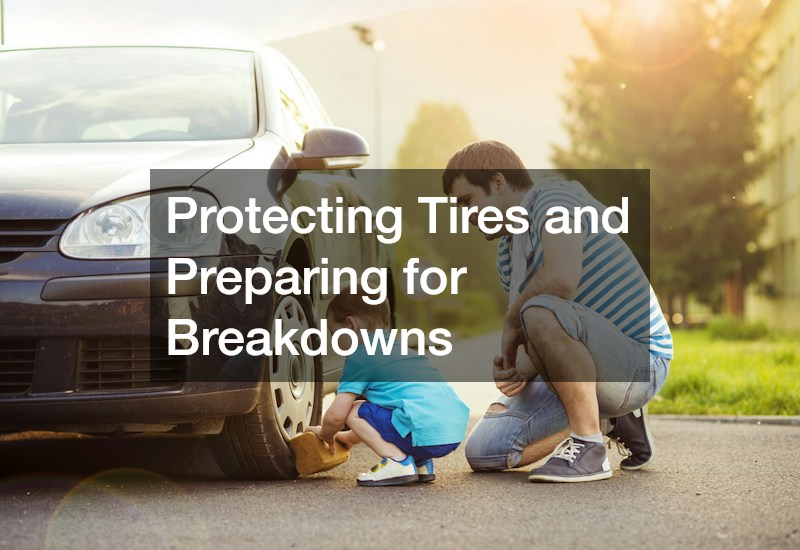
Tires are the only part of a vehicle that actually touch the pavement, making their condition critical for braking distance and wet-weather grip. Drivers should check inflation pressures once a month using a reliable digital or dial gauge while the rubber is still cold, since underinflated tires overheat and wear unevenly along the outer edges.
Running over a construction nail or sharp road debris does not always mean buying a brand-new set. When a puncture sits cleanly within the center tread area and the sidewall remains intact, a professional tire repair using an internal patch-plug combination safely seals the casing for the rest of its tread life. Technicians also check remaining tread depth with a gauge to confirm the tire still has plenty of safe mileage left before mounting it back onto the hub.
Even the most diligent maintenance schedule cannot stop every unexpected highway mishap. Dead batteries on freezing mornings, snapped serpentine belts, and sudden blowouts happen at the worst possible moments. Keeping an active membership with a dependable roadside assistance service gives stranded motorists immediate peace of mind around the clock. Instead of risking personal safety on a narrow highway shoulder, a driver can call for a trained responder to deliver fuel, jump-start a weak battery, open a locked cabin door, or mount a spare wheel cleanly.
Handling Severe Vehicle Recovery and Legal Aftermath
Some mechanical failures and traffic collisions leave a vehicle completely unsafe to drive, even for a short distance down the road. Overheating engines, broken suspension arms, and transmission failures require professional recovery rather than risky makeshift fixes. Calling a reputable towing provider ensures the vehicle gets transported on a proper flatbed or wheel-lift truck without damaging axles, bumpers, or all-wheel-drive transfer cases. Knowing which local recovery company to contact ahead of time prevents frantic searches on the side of a busy interstate.
Traffic collisions bring an entirely different set of headaches once the immediate dust settles. Between police reports, medical checkups, rental cars, and persistent insurance adjusters, injured motorists often feel overwhelmed within hours of a crash.
Consulting an experienced car accident attorney helps drivers understand state fault laws and protect their right to fair financial recovery. Legal counsel handles complicated paperwork, gathers witness statements, reviews traffic camera footage, and pushes back when insurance carriers undervalue medical bills or long-term rehabilitation costs.
Restoring Nighttime Visibility and Smooth Body Panels

Clear nighttime vision is essential for spotting pedestrians, wildlife, and sudden lane shifts after dark. Over several years of exposure to ultraviolet sunlight and road grit, factory polycarbonate lenses oxidize and turn cloudy or yellow. Hazy lenses scatter light rather than focusing it onto the asphalt ahead, cutting down forward visibility dramatically. Professional headlight restoration removes the damaged outer layer through multi-stage wet sanding and seals the lens with a fresh UV-blocking clear coat, bringing back factory brightness without the steep price of replacement housings.
Exterior paint and sheet metal take constant abuse from hailstorms, gravel trucks, and tight grocery store parking lots. Shallow dings and creases make an otherwise clean car look neglected and hurt its trade-in value later on.
Fortunately, minor body damage does not always require body filler or fresh paint. Skilled technicians performing auto dent repairs use specialized steel rods, glue-pulling tabs, and reflection boards to gently massage dented metal back into its original contour from behind the panel, leaving the factory finish completely intact.
Upgrading Comfort and Exterior Style
Beyond basic upkeep, many car owners invest in smart exterior upgrades that improve daily driving comfort and protect surfaces from wear. Harsh afternoon glare forces drivers to squint and causes leather seats and dashboard plastics to crack prematurely. Working with established vehicle tinting services allows motorists to install high-grade ceramic or carbon window films that reject solar heat and block up to ninety-nine percent of harmful ultraviolet rays. Reputable installers also know local state laws regarding visible light transmission, ensuring the finished glass looks sharp while passing annual inspections without trouble.
Drivers looking to refresh a faded paint job or promote a small business on the go often skip traditional paint booths altogether. Modern vehicle wrap services apply durable cast vinyl films directly over clean factory paint, offering endless options in matte, satin, gloss, or custom printed graphics. Beyond turning heads on the highway, a quality vinyl wrap acts as a protective shield against minor rock chips, road salt, and bird droppings, peeling away cleanly years later when the owner is ready for a fresh look.
Managing Seasonal Heat and Powertrain Strain
Extreme weather swings put heavy stress on every fluid, hose, and electrical circuit inside a passenger car. When summer temperatures climb into the nineties, cooling fans and refrigerant lines work overtime during stop-and-go city traffic. Drivers who notice the cabin taking longer to cool down or hear the compressor cycling on and off rapidly are often seeing early signs of auto ac problems. Addressing low refrigerant levels or replacing a dirty cabin air filter before a long summer road trip keeps passengers comfortable and avoids sudden system failure miles from home.
High ambient temperatures and freezing winter mornings place similar strain on internal engine components. Thickened cold oil delays lubrication at startup, while summer heat exposes weak radiator hoses, aging water pumps, and failing thermostats.
Watching the temperature gauge, checking fluid reservoirs monthly, and scheduling prompt diagnostics whenever leaks or strange knocking sounds appear helps vehicle owners avoid costly car engine repairs. Consistent preventive care keeps daily commuters reliable across every season of the year.
Smart Habits for Tire Longevity and Highway Emergencies
Getting maximum mileage out of a set of tires takes simple, consistent habits rather than expensive gadgets. Rotating tires every five to seven thousand miles evens out wear between front and rear axles, while routine wheel alignments prevent steering pull and feathered tread edges. When a low-pressure warning light illuminates on the dashboard, a careful inspection often reveals a small screw or nail lodged in the rubber. Taking the wheel to a qualified shop for a proper tire repair avoids temporary aerosol sealants that ruin pressure sensors and throw off wheel balance. Technicians also inspect the inner liner to confirm heat buildup has not weakened the rubber structure.
Even with fresh tread and steady pressures, unpredictable road hazards still catch cautious drivers off guard. Hitting a deep pothole after heavy rain can bend a rim or split a sidewall instantly, leaving a car immobilized in an unfamiliar neighborhood or along an isolated stretch of rural highway.
Having access to a trusted roadside assistance service ensures fast help arrives without long delays. Dispatchers send equipped technicians directly to the vehicle’s GPS location so motorists never have to wrestle with rusty lug nuts beside fast-moving traffic.
Handling Post-Crash Logistics and Legal Rights
Knowing exactly what to do in the first ten minutes after a collision keeps everyone calmer and safer. Drivers should move operable vehicles out of active traffic lanes if possible, turn on hazard lights, check passengers for injuries, and call emergency responders to document the scene. If airbags have deployed, fluids are pooling beneath the bumper, or a wheel sits at an odd angle, arranging professional towing is the safest way to clear the roadway. Trying to limp a damaged car home often turns a repairable suspension issue into severe mechanical destruction.
Once everyone is safe and the vehicle has been moved to a storage lot or repair facility, the administrative aftermath begins in earnest. Insurance companies frequently reach out quickly with early settlement offers before the full scope of whiplash or back injuries becomes clear.
Speaking with a knowledgeable car accident attorney gives injured parties an advocate who understands medical documentation, repair estimates, and policy limits. Having dedicated legal guidance lets drivers focus on physical recovery while claim negotiations move forward properly.
Preserving Exterior Finish and Lighting Performance
Night driving becomes significantly more tiring when aging headlamps cast a dim, yellowish glow across the road. Many motorists assume they simply need brighter bulbs, only to discover the real culprit is oxidized plastic blocking the beam. Choosing professional headlight restoration clears away years of sun damage and road haze in about an hour. Restored lenses improve reaction times on unlit rural highways and give older vehicles a noticeably cleaner, well-cared-for front profile.
Small exterior blemishes tend to accumulate faster than most owners expect, especially during spring storm seasons or busy urban commutes. A single afternoon hail shower can leave dozens of tiny dimples across a hood and roof, while stray doors leave sharp creases along side panels. Modern auto dent repairs restore smooth, mirror-like reflections across sheet metal without mismatched paint colors or lengthy shop stays. Preserving original factory paint also protects long-term resale value when it is time to upgrade to a newer model.
Customizing for Privacy, Branding, and Resale Value
Thoughtful exterior modifications let motorists tailor a vehicle to their lifestyle while adding practical everyday benefits. Cooler cabin temperatures reduce strain on climate systems and keep backseat passengers, children, and pets comfortable during sunny afternoon drives. Professional vehicle tinting services deliver bubble-free edges and optical clarity that store-bought film rolls simply cannot match. The added privacy also keeps laptops, tools, and personal bags tucked out of plain sight when parked in busy public lots.
Custom graphics and protective films also give owners a smart way to refresh a vehicle’s appearance without permanent alterations. For small business owners and detail-oriented enthusiasts alike, exterior vinyl transforms an ordinary commuter into something truly distinctive. Skilled installers at established vehicle wrap services carefully tuck edges around door handles, mirrors, and bumpers for a smooth, factory-like appearance. Whether used to display crisp company contact details on a work van or to give a daily driver a bold new satin finish, vinyl wrapping preserves the original clear coat underneath until the day the film comes off.
Taking a balanced approach to mechanical maintenance, emergency readiness, legal protection, and exterior care turns car ownership into a smoother, more rewarding experience. Drivers who stay proactive with inspections, work with trusted specialists, and address minor problems early enjoy safer miles, lower repair bills, and stronger resale value for years to come. Good habits behind the wheel and inside the garage pay dividends every single mile.