

Experiencing a traffic collision brings an immediate wave of adrenaline, uncertainty, and stress. Once the occupants are safe and the dust settles, a completely different challenge begins. Getting a damaged vehicle back to its original condition requires immense patience, careful planning, and a clear plan of action. The path from a damaged heap of metal on the side of the road to a pristine daily driver might seem impossible at first glance. However, taking things one step at a time makes the entire process highly manageable for any driver. Understanding what happens at each stage takes the mystery out of the situation. A structured approach ensures that no underlying mechanical or structural issues are missed along the way. This comprehensive guide walks through every necessary step to bring a damaged vehicle back to life safely. It covers the immediate roadside response through the final cosmetic touches that make a car look new.
Immediate Actions and Safety at the Scene
The moments immediately following an impact are always chaotic and overwhelming. The top priority is the physical well being and safety of everyone involved in the crash. Drivers should move their vehicles to the shoulder of the road if the cars are still operational and safe to move. Turning on hazard lights alerts oncoming traffic to the unexpected obstruction and keeps the area visible. Calling emergency responders is a necessary step even for minor fender benders that seem straightforward. A formal police report provides an official record of the incident, which becomes highly useful later during insurance evaluations. Drivers need to exchange contact details, license numbers, and insurance information with the other party involved. Taking photographs of the entire scene offers excellent documentation for future reference and legal protection. Capture multiple angles of the vehicle damage, the surrounding roadway, and any obvious skid marks on the pavement. It is best to avoid admitting fault, as adrenaline can easily cloud a person’s judgment.
Securing Safe Transport for the Vehicle
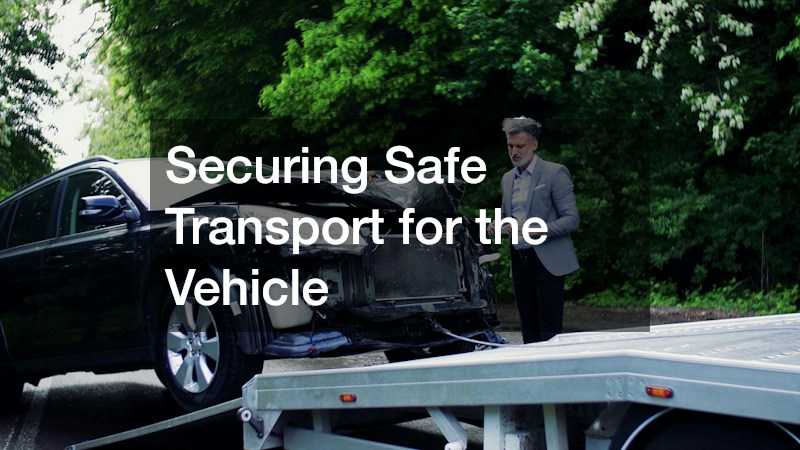
Once the police finish their report, the next hurdle is getting the vehicle safely off the public street. Cars with deployed airbags, leaking fluids, or broken axles are clearly not safe to drive under any circumstances. Even if a car looks somewhat intact, hidden structural problems can make driving it extremely dangerous on open highways. This is where professional transportation becomes an absolute necessity for vehicle recovery. Calling reliable towing services ensures the damaged vehicle is moved safely without causing additional harm to the frame or drivetrain. Drivers should request a flatbed truck when possible to prevent unnecessary transmission damage. Instruct the driver to take the car directly to a preferred body shop or a secure holding lot. Keep all receipts and paperwork from the transport company for eventual reimbursement purposes. Moving the car to a secure location gives the owner peace of mind and clears the busy roadway for other travelers. The recovery process truly begins once the vehicle rests safely at a certified repair facility.
Navigating the Claims and Financial Process
Dealing with the financial aftermath is often the most dreaded part of a vehicle crash. Initiating a claim quickly gets the ball rolling on estimates and approvals for the necessary work to begin. Contacting your automobile insurance agency as soon as possible starts the official documentation process without unexpected delays. A representative will ask for the police report number, photos from the scene, and a general description of the event. They will usually assign an adjuster to evaluate the damage and determine the initial payout estimate. Owners have the legal right to choose their own repair shop, even if the representative suggests a preferred network facility. Communication is the most important factor during this entire administrative stage. Keep detailed notes of every phone call and save all email correspondence for quick reference. Understanding coverage limits reduces financial surprises and prevents unnecessary delays in getting the car fixed.
Evaluating Engine and Internal Diagnostics
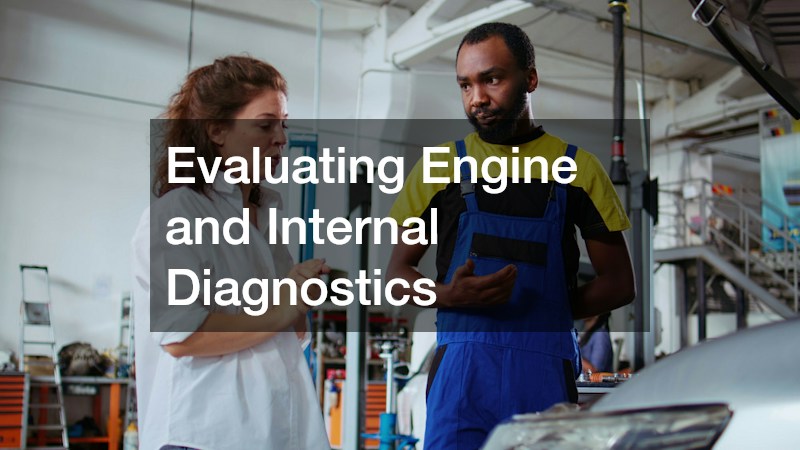
A severe impact sends powerful shockwaves throughout the entire structure of the vehicle. While shattered glass and crumpled bumpers are easy to see, internal damage often remains hidden from view. The engine bay contains dozens of delicate components that can easily shift or crack during a sudden collision. A thorough inspection by a qualified auto mechanic is an absolute necessity before any cosmetic work begins. They will carefully check the engine mounts, cooling system, and exhaust pipes for signs of physical stress. Even a tiny crack in a coolant line can lead to overheating and catastrophic engine failure later on down the road. Sensors and electrical wiring harnesses often suffer unseen damage that triggers unexpected warning lights. The diagnostic process involves connecting the car to specialized computer scanners to read internal error codes accurately. This comprehensive health check ensures the vehicle will actually run properly once the exterior shell is finally restored.
Addressing the Drivetrain and Mechanical Issues
Once the diagnostic report is complete, the physical labor of replacing broken internal parts officially begins. This stage involves getting the vehicle back to a safe, drivable condition for the road. Technicians will replace cracked belts, bent control arms, and damaged fluid reservoirs using quality components. This mechanical auto repair phase focuses purely on function rather than exterior form or visual appeal. Steering columns and suspension setups frequently require extensive adjustments after a major crash. If the vehicle was hit from the side, the wheel bearings and axles are likely compromised and need immediate attention. Mechanics will also flush and replace any fluids that leaked onto the ground during the accident. Engine oil, power steering fluid, and transmission fluid levels must be perfect before the engine runs again. Completing all functional fixes ensures the car performs exactly as it did before the unfortunate incident occurred.
Assessing and Restoring Essential Stopping Power
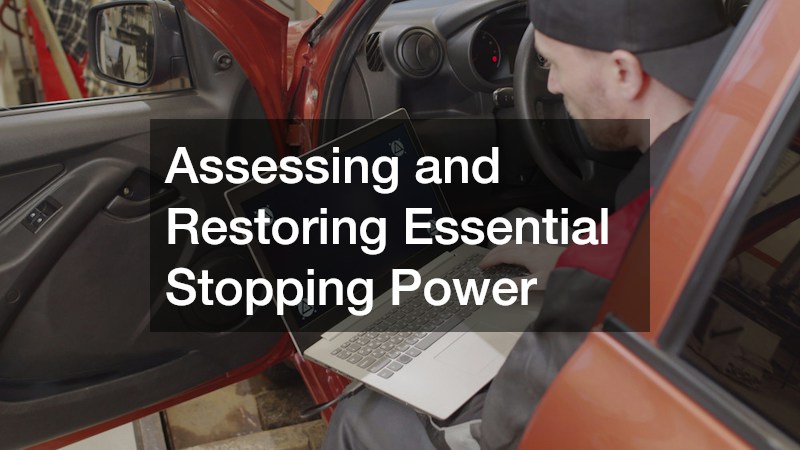
The ability to stop quickly is the most fundamental safety requirement for any vehicle operating on the road. Collisions often result from a lack of stopping distance, and the impact itself can further degrade the system. Hard emergency stops just before a crash generate immense heat, which can easily warp steel rotors. An immediate auto brake service is highly recommended to assess the overall condition of the pads and calipers. Technicians will inspect the master cylinder to ensure it did not sustain damage from the sudden pressure spike. If a tire took a direct hit, the fluid lines running to that specific wheel might be pinched or severed. Replacing compromised lines and bleeding the system removes air bubbles that cause a dangerous pedal feel. Installing fresh pads guarantees maximum friction when the driver presses the pedal. Having absolute confidence in the stopping power provides immense peace of mind when getting back behind the wheel.
Straightening the Frame and Body Panels
With the engine running smoothly and the brakes fully functional, the focus shifts to the physical structure. Modern cars are built with advanced crumple zones designed to absorb impact energy by folding and bending. Unbending these rigid zones requires heavy duty machinery and extremely precise measurements to ensure complete safety. Certified technicians perform complex collision repairs using laser guided frame alignment racks inside the body shop. These massive machines pull the twisted metal back to the exact factory specifications down to the individual millimeter. Once the skeleton of the vehicle is perfectly straight, technicians move on to replacing mangled exterior panels. Fenders, hoods, and doors are often completely removed and replaced with fresh manufactured parts. The technicians carefully align the new panels to ensure the gaps around the doors are perfectly even. Getting the structural foundation right is what makes the vehicle safe.
Smoothing Out Minor Surface Imperfections
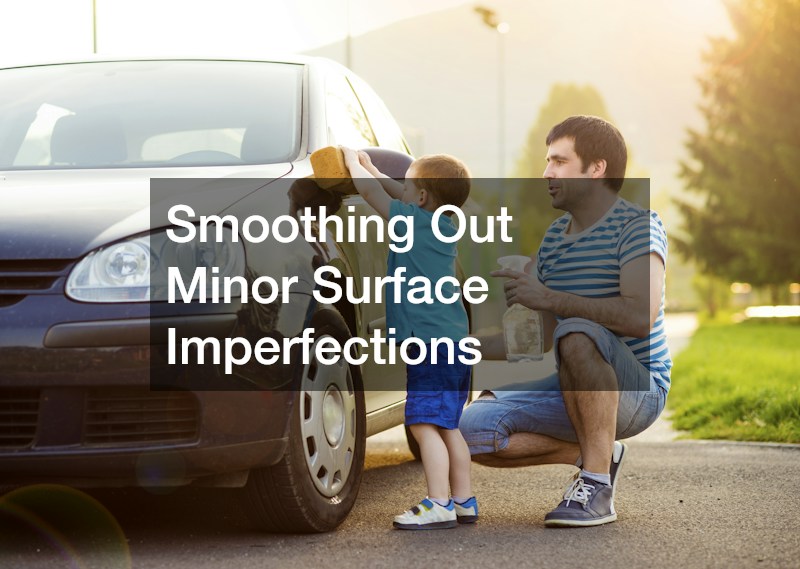
Not every part of a damaged vehicle requires complete replacement or heavy structural pulling. Some metal panels survive the crash with only minor creases or shallow surface impressions. Scrapping an entire door because of a small ding is wasteful and unnecessarily expensive for the owner. For these localized blemishes, technicians use targeted dent repair techniques to smooth out the metal surface entirely. One highly effective method involves massaging the metal back into its original shape from behind the panel. Technicians use specialized metal rods to gently push the impression outward without cracking the factory clear coat. This efficient process saves time and materials because it completely bypasses the sanding, priming, and painting stages. It is particularly useful for small parking lot style dings that might have occurred prior to the crash. Smoothing out these minor imperfections prepares the exterior canvas for the final paint blending process. When done correctly, the metal flows perfectly flat, elevating the overall visual quality.
Evaluating the Economics of the Restoration
There comes a point in every major restoration project where the owner must evaluate the long term financial reality. Some vehicles suffer so much structural damage that the cost to fix them approaches their actual market value. A fully repaired vehicle now carries an accident history on its public record, which lowers resale potential. Owners have to decide if they want to keep driving the restored vehicle for many years to come. Alternatively, they might choose to sell it as a repaired used car to someone looking for basic transportation. If the financial math does not make logical sense, the owner might negotiate a total loss settlement instead. They can then take the insurance settlement check and put it toward a different vehicle entirely. Understanding the steep depreciation associated with an accident history helps owners make highly logical decisions rather than emotional ones. The goal is to avoid pouring money into a project that will never yield a reasonable return.
Upgrading Glass Privacy and Interior Comfort
If the owner decides to keep the restored vehicle, the final stages of the process shift toward comfort. Side impacts frequently shatter the tempered glass windows, scattering thousands of tiny cubes across the interior seats. Technicians meticulously vacuum every crevice to remove the hazard before installing fresh glass panels in the doors. A replacement window comes entirely clear from the factory, which might not match the rest of the vehicle. Applying fresh car window tinting restores the uniform look of the exterior glass while providing functional benefits. This dark film does much more than simply look good to people passing by on the street. It rejects brutal solar heat, keeping the cabin significantly cooler during the scorching summer months. Beyond temperature control, the dark film adds a layer of privacy for the occupants driving the vehicle. Upgrading the glass treatments brings a custom, comfortable touch.
Protecting the Fresh Exterior Paint Finish
The final paint job requires extreme care to maintain its impressive showroom quality shine for years. The body shop will have spent hours matching the paint color, spraying the base, and applying a clear coat. Once the new paint fully cures over a few weeks, it needs a strong layer of daily defense. Applying a liquid auto ceramic coating provides a highly durable, invisible shield over the entire painted exterior. This chemical treatment bonds directly with the porous clear coat, creating a hardened surface that repels water. It prevents acidic bird droppings and sticky tree sap from etching into the fresh, vulnerable paint surface. The hydrophobic properties mean water beads up and rolls right off the hood, making weekly maintenance washes fast. The slick surface also enhances the depth and gloss of the paint, giving it a permanent wet look. Finishing the restoration project with this exterior protection ensures the vehicle remains safe from harsh environmental hazards.
The Final Stage of the Journey
Recovering from a severe traffic collision is a lengthy journey that tests any driver’s patience. It involves coordinating with multiple industry professionals, managing endless paperwork, and making difficult financial decisions. Skipping important steps or rushing the labor only leads to lingering mechanical problems down the road. By breaking the massive project down into distinct, manageable phases, the restoration process becomes much less intimidating for everyone involved. Focus first on physical safety, handle the administrative tasks diligently, and trust skilled technicians to handle the labor. Cosmetic enhancements at the very end serve as a wonderful reward for surviving the highly stressful ordeal. With the right structured approach and a highly reliable team of professionals, a badly damaged vehicle can genuinely return to the open road looking and driving better than ever.